 Introduction
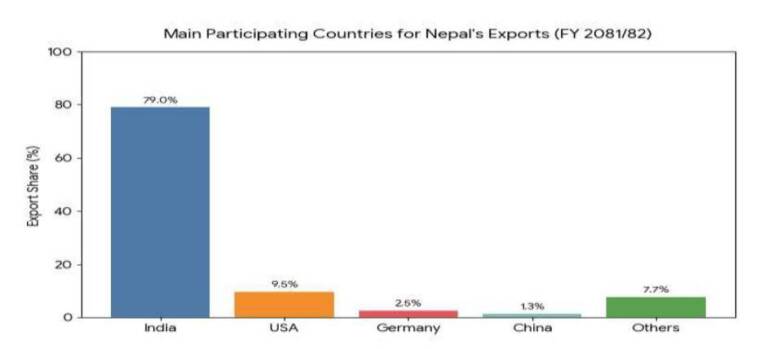
Countries that experience socio-economic vulnerability, underdeveloped human capital, and heightened exposure to economic shocks are classified as Least Developed Countries (LDCs). Nepal was listed as an LDC by the United Nations in 1971, among the initial 44 LDCs. With Nepal’s LDC graduation scheduled for November
Introduction
Countries that experience socio-economic vulnerability, underdeveloped human capital, and heightened exposure to economic shocks are classified as Least Developed Countries (LDCs). Nepal was listed as an LDC by the United Nations in 1971, among the initial 44 LDCs. With Nepal’s LDC graduation scheduled for November
 Have you ever heard of a country exporting goods and services?The answer is Yes.But have you ever heard of a nation exporting its own people?
It may sound harsh—even brutal—but it is a reality. Several countries, including India, China, Vietnam, and the Philippines, rely on exporting
Have you ever heard of a country exporting goods and services?The answer is Yes.But have you ever heard of a nation exporting its own people?
It may sound harsh—even brutal—but it is a reality. Several countries, including India, China, Vietnam, and the Philippines, rely on exporting
 १. बिषय प्रवेशः
सार्वजनिक खरिद भनेको सार्वजनिक निकायहरूले आफ्नो जिम्मेवारी पूरा गर्न, जनतालाई सेवा प्रवाहगर्न र देश विकासका कार्यक्रम सञ्चालन गर्नका लागि सरकारी कोष प्रयोग गरी वस्तु, सेवा वा निर्माण कार्यप्राप्त गर्ने विधिसम्मत प्रक्रिया हो । नेपालको सार्वजनिक खरिद सम्वन्धमा कानुनी व्यवस्था गर्न बनेको सार्वजनिकखरिद ऐन
१. बिषय प्रवेशः
सार्वजनिक खरिद भनेको सार्वजनिक निकायहरूले आफ्नो जिम्मेवारी पूरा गर्न, जनतालाई सेवा प्रवाहगर्न र देश विकासका कार्यक्रम सञ्चालन गर्नका लागि सरकारी कोष प्रयोग गरी वस्तु, सेवा वा निर्माण कार्यप्राप्त गर्ने विधिसम्मत प्रक्रिया हो । नेपालको सार्वजनिक खरिद सम्वन्धमा कानुनी व्यवस्था गर्न बनेको सार्वजनिकखरिद ऐन
 Introduction
Money Supply is defined as the total money in circulation within the economy during the given period. It is determined jointly by the behaviour of the general public, government, banks, and Financial Institutions (BFIs), and the policy of the central bank. The Central Bank's policy
Introduction
Money Supply is defined as the total money in circulation within the economy during the given period. It is determined jointly by the behaviour of the general public, government, banks, and Financial Institutions (BFIs), and the policy of the central bank. The Central Bank's policy
 Background:
In a world where data is the driving force of progress, adaptability becomes the biggest assets. To stay ahead in the evolving economy a roadmap is to be drawn for clarity, creativity, and competitive advantage for which banks need to fuel innovation along with integrity.
Background:
In a world where data is the driving force of progress, adaptability becomes the biggest assets. To stay ahead in the evolving economy a roadmap is to be drawn for clarity, creativity, and competitive advantage for which banks need to fuel innovation along with integrity.
 Context and Background
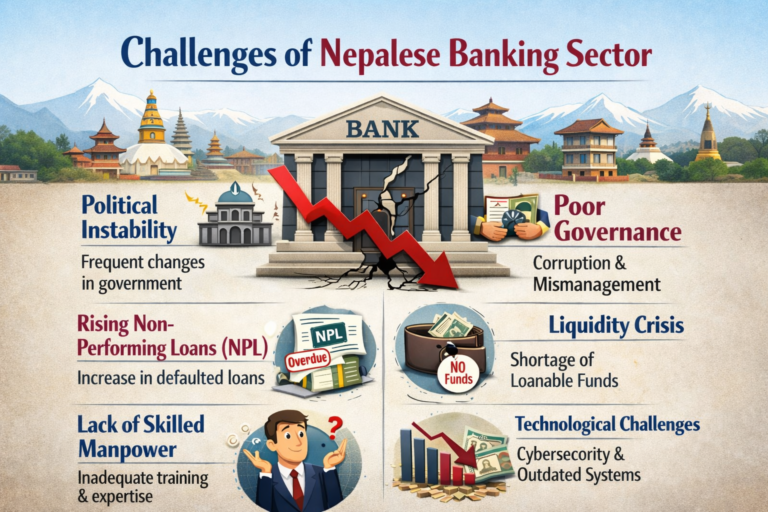
Banking sector plays a crucial role in economic development of a nation. The banking sector of Nepal has played a vital role in promoting financial inclusion, economic growth, industrialization and investment over the past decades. With the expansion of financial institutions and technological
Context and Background
Banking sector plays a crucial role in economic development of a nation. The banking sector of Nepal has played a vital role in promoting financial inclusion, economic growth, industrialization and investment over the past decades. With the expansion of financial institutions and technological
 Introduction:
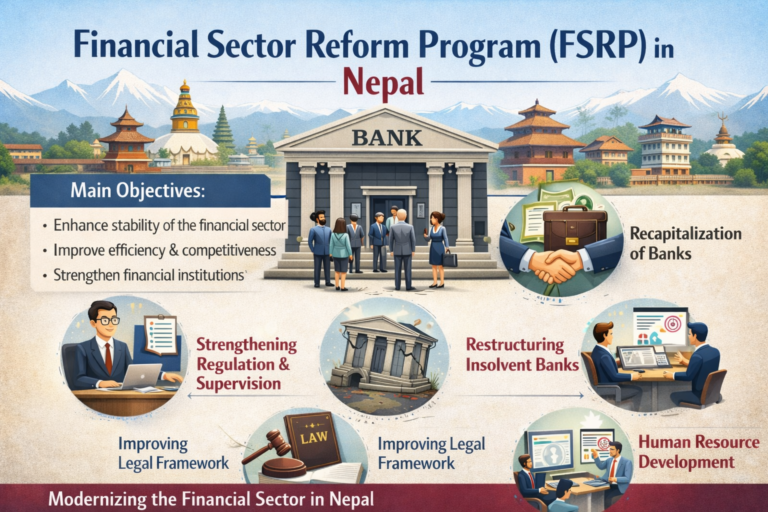
Financial sector reforms are the activities or initiatives taken by the government and central bank to make financial sector more efficient, inclusive and risk resilient. It is continuous process implemented in order to improve the quality of financial services and the functioning of financial system
Introduction:
Financial sector reforms are the activities or initiatives taken by the government and central bank to make financial sector more efficient, inclusive and risk resilient. It is continuous process implemented in order to improve the quality of financial services and the functioning of financial system
 With the establishment of the Nepal Rastra Bank (NRB) in 1956 as the nation's central bank, Nepal's banking history got underway in the middle of the 20th century. In the 1950s and 1960s, early banks providing basic services such as Nepal Bank Limited and Rastriya
 पृष्ठभूमी
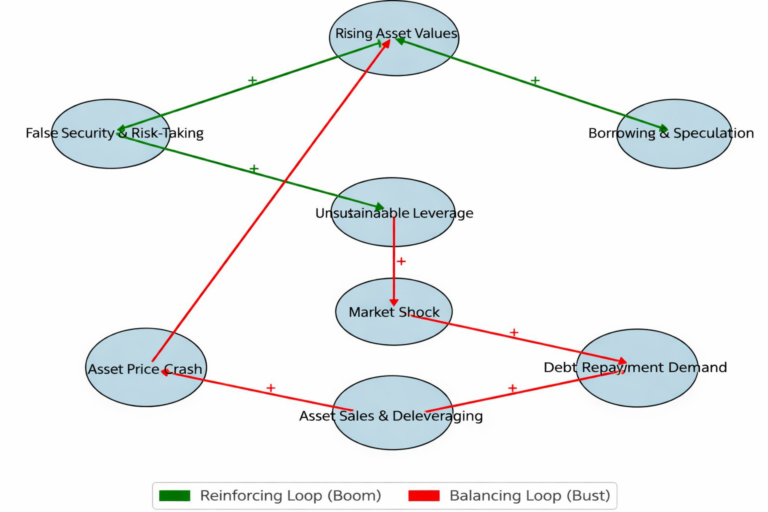
जसरी मौद्रिक नीति सम्वन्धी छलफलहरुमा व्याजदरको वहसले प्राथमिकता पाउने गरेको छ, कर्जा विस्तारको चर्चाले कम महत्व पाएको देखिन्छ । तर, सन १९३० को महामन्दी र त्यसपछिका विभिन्न घटनाक्रमहरुलाई समेत नियाल्ने हो भने कर्जा प्रवाह र वित्तीय स्थायित्वमा यस्को प्रभावका सम्वन्धमा थप स्पष्ट हुन्छ । यद्दयपी,
पृष्ठभूमी
जसरी मौद्रिक नीति सम्वन्धी छलफलहरुमा व्याजदरको वहसले प्राथमिकता पाउने गरेको छ, कर्जा विस्तारको चर्चाले कम महत्व पाएको देखिन्छ । तर, सन १९३० को महामन्दी र त्यसपछिका विभिन्न घटनाक्रमहरुलाई समेत नियाल्ने हो भने कर्जा प्रवाह र वित्तीय स्थायित्वमा यस्को प्रभावका सम्वन्धमा थप स्पष्ट हुन्छ । यद्दयपी,
 Bank Marketing Concept
The bank marketing is the practice of attracting and acquiring new customers through traditional media and digital media strategies. The use of these media strategies helps determine what kind of customer is attracted to a certain institution. This also includes different banking institutions
Bank Marketing Concept
The bank marketing is the practice of attracting and acquiring new customers through traditional media and digital media strategies. The use of these media strategies helps determine what kind of customer is attracted to a certain institution. This also includes different banking institutions